
Research · FTD
Dementia · Growing workspace
FTD
Behaviour / language · TDP-43 · tau
Spectrum workspace for frontotemporal neurodegeneration: TDP-43 and tau proteinopathies, plus ALS–FTD genetics such as C9orf72. Deep tools expand while shared labs stay open.
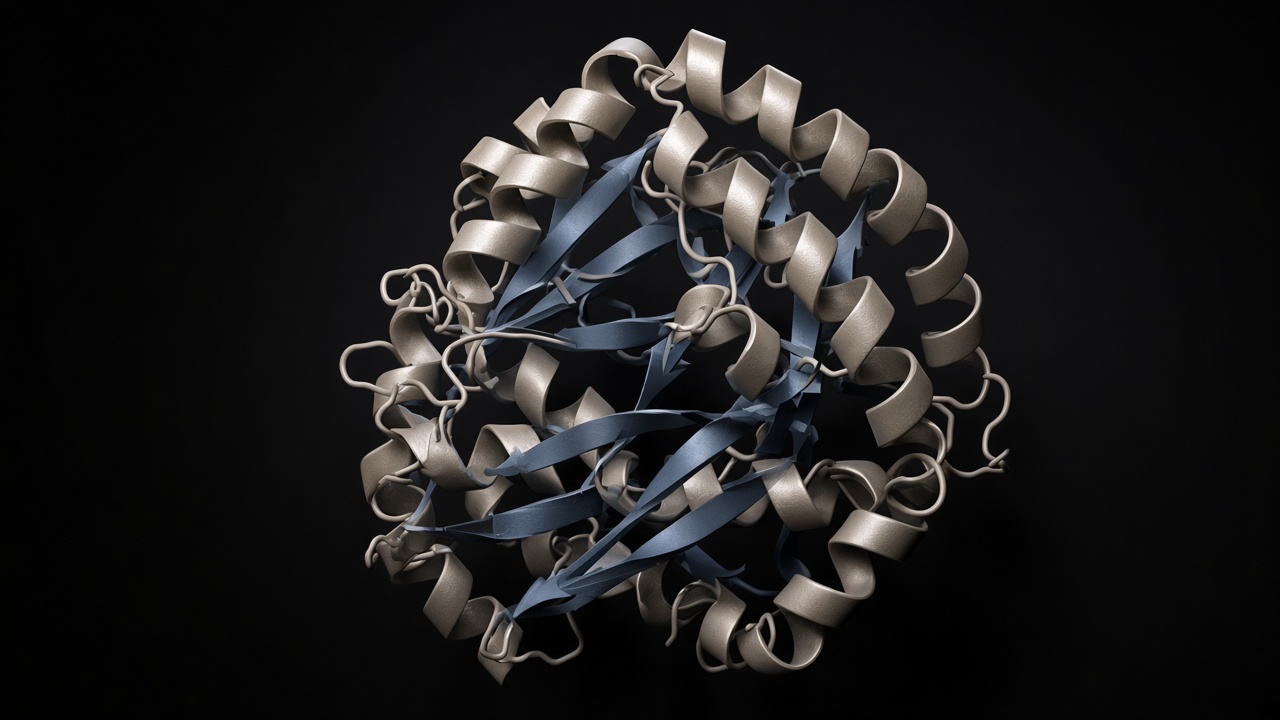
Research notes
- FTD is not one disease; clinical and molecular subtypes change the mechanism story.
- ALS and FTD can share genes and protein pathology without being clinically identical.
- Use the ALS ready workspace as a contrast for spectrum thinking.
Proteins in scope
TARDBPTDP-43
Nuclear RNA-binding protein; cytoplasmic aggregation and nuclear clearance define a major FTD/ALS proteinopathy.
MAPTTau
Defines tauopathic FTD subtypes (FTLD-tau) via mutations and tau inclusions.
C9orf72C9orf72
GGGGCC repeat expansion commonly links ALS and FTD through RNA, DPR protein, and haploinsufficiency models.
Mechanism words
TDP-43 proteinopathyTau pathology (FTLD-tau)ALS–FTD spectrum genetics (including C9orf72)
Tools
Ready links open now; “Soon” marks disease-specific maps still expanding.
Structure lab: TDP-43Practice PDB search with a spectrum protein.Ask a reviewCitation-aware questions across the spectrum.ALS workspace (contrast)Ready mechanism tools for comparison with FTD themes.Student primerSpectrum, proteins, and ALS overlap.
Disease map · SoonFTD biology-axis map, expanding with the catalog.