
Home · Research
Learninghub™ allows you to explore proteins, genetic variants, and shared biological pathways to understand the proteotoxicities in conditions like ALS, Parkinson's, Alzheimer's and other diseases.
What protein to ProtScope? Enter here:
5 diseases · filter by name, protein, or mechanism
ALS
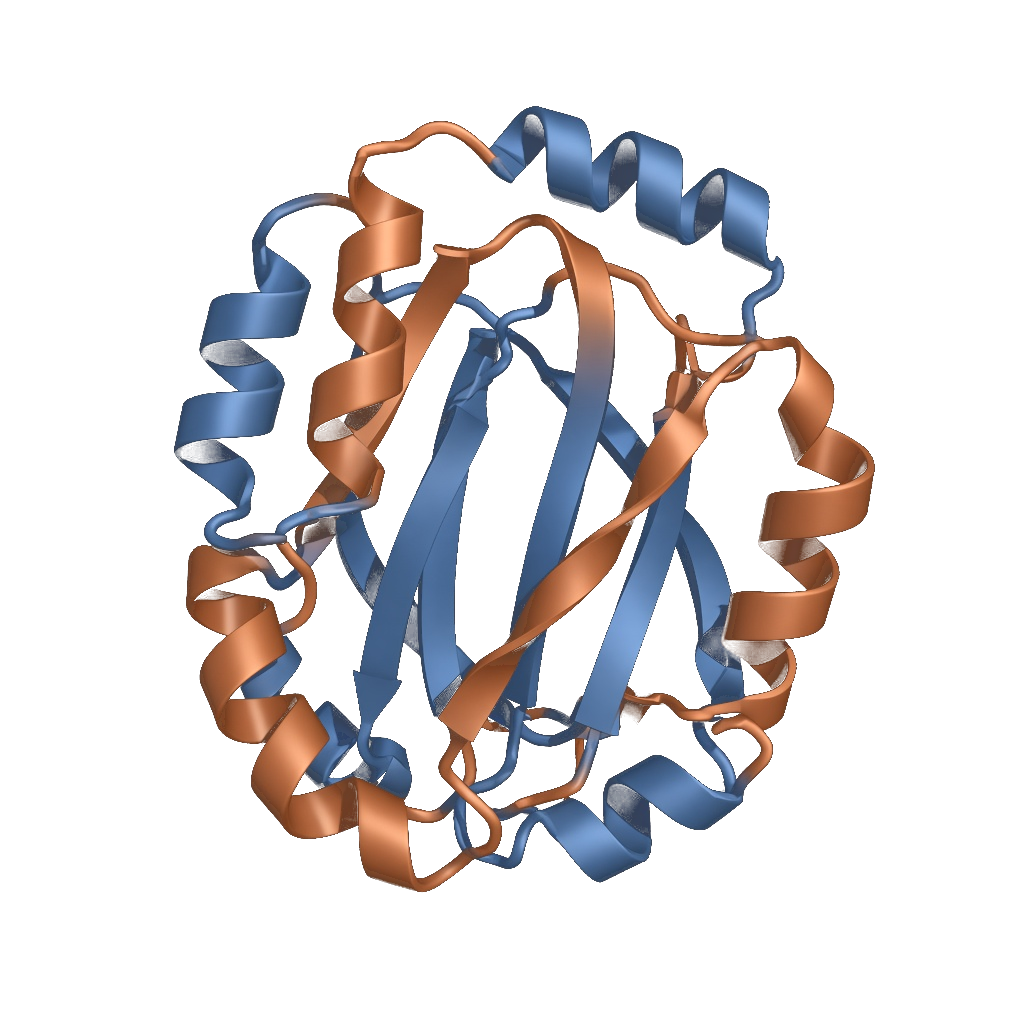
Motor neurons · cytoskeleton · aggregation
Deepest mechanism-first workspace for ALS: prioritize shared pathological routes across PFN1 and TUBA4A, map biology axes, compare pathways, and review mutation and biomarker evidence before therapeutic ideation.
- PFN1
- TUBA4A
- SOD1
Parkinson’s

Dopamine neurons · α-synuclein · mitochondria
Growing research workspace for synucleinopathy, LRRK2 signalling, and mitochondrial quality-control pathways. Shared structure and review labs are available while Parkinson-specific maps expand.
- SNCA
- LRRK2
- PRKN
Alzheimer’s
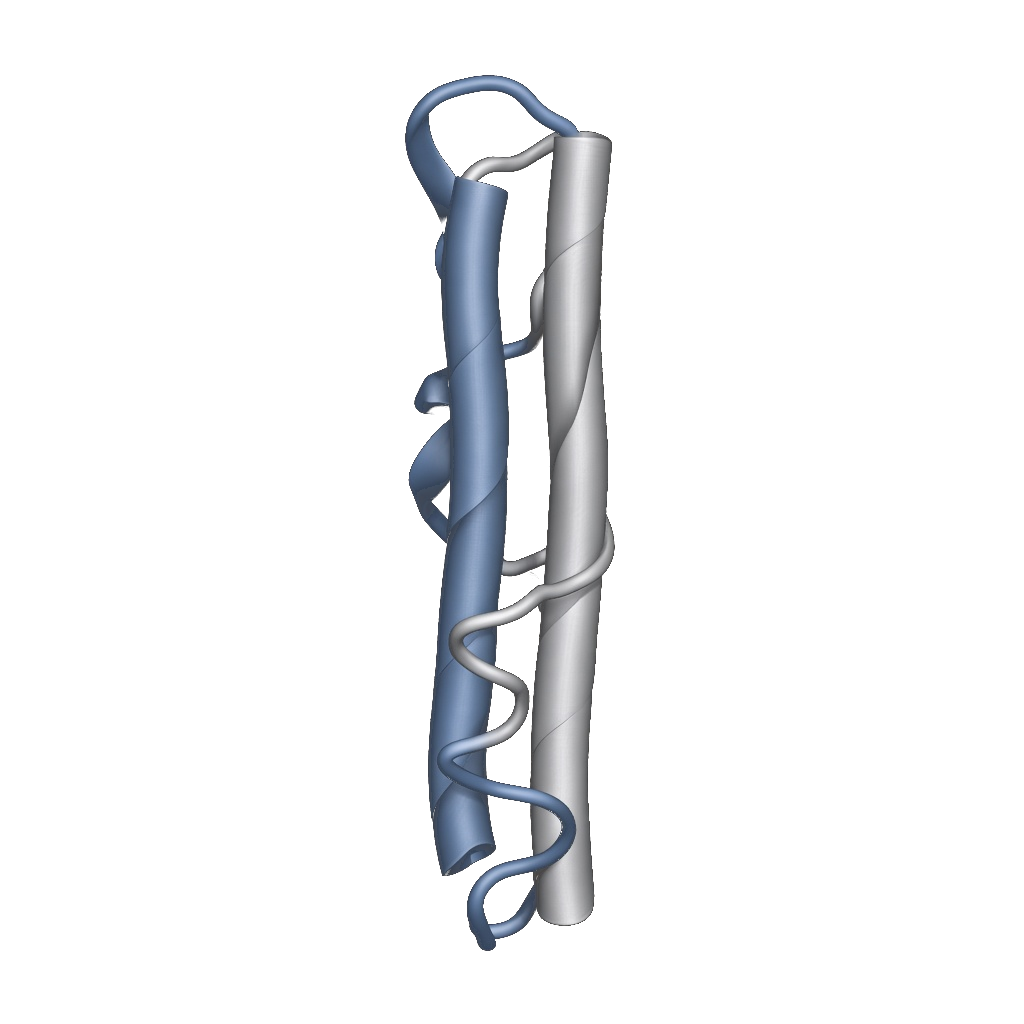
Memory circuits · amyloid · tau
Growing research framing for amyloid-β, tau tangle pathology, and synaptic/network failure. Shared structure and evidence labs stay available while Alzheimer-specific maps expand.
- APP
- MAPT
- APOE
Huntington’s

HTT · polyglutamine · neuronal vulnerability
Clear genotype → toxic protein → selective vulnerability case. Pathogenic CAG/polyglutamine expansion in HTT is the modelling axis while Huntington-specific graphs grow.
- HTT
FTD
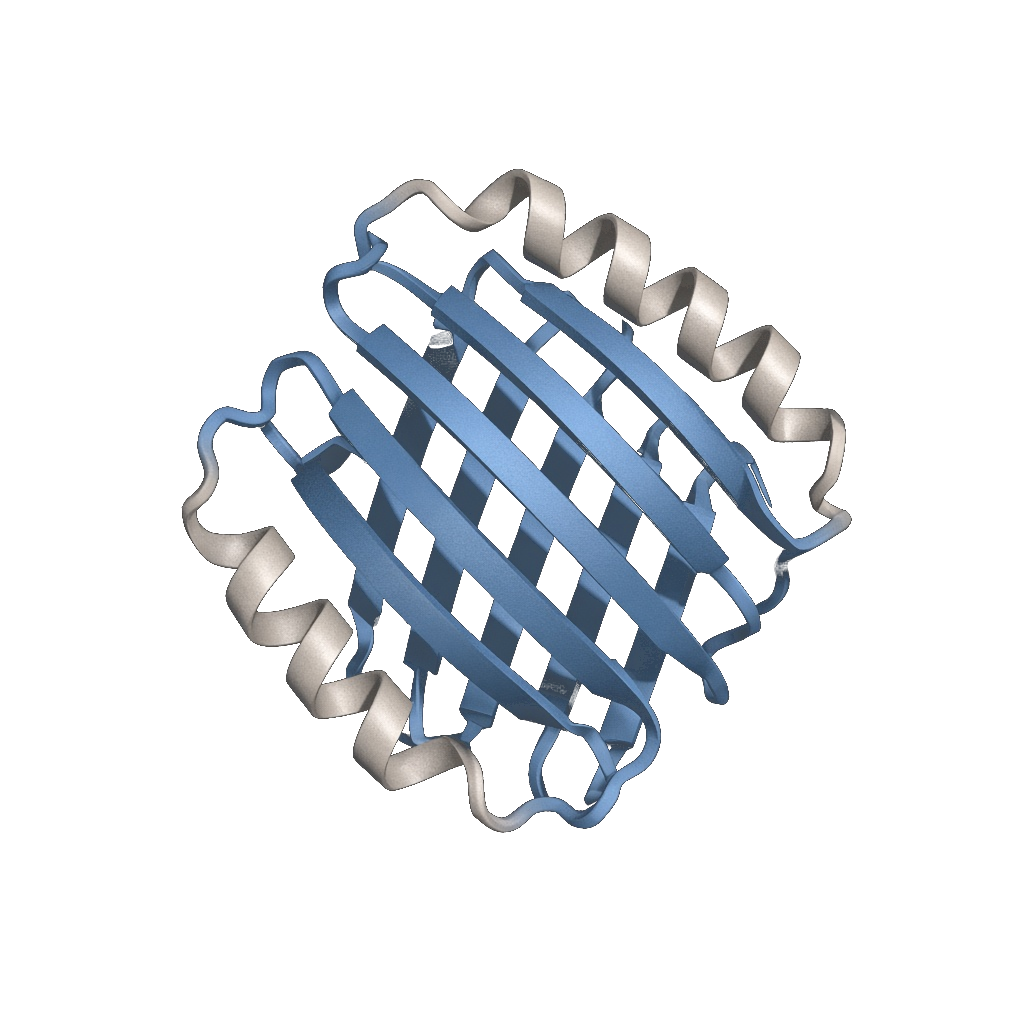
Behaviour / language · TDP-43 · tau
Spectrum workspace for frontotemporal neurodegeneration: TDP-43 and tau proteinopathies, plus ALS–FTD genetics such as C9orf72. Deep tools expand while shared labs stay open.
- TARDBP
- MAPT
- C9orf72
Showing 5 neurodegeneration workspaces. ALS has the deepest tool set today; other diseases open growing primers plus shared labs (structures, Ask).
ALS research
Selected work informing this workspace.
- Mahmoud Kiaei
ALS ready tools
Deepest workspace today, including the familial gene network.
Shared research labs
Use across diseases once you know the protein and mechanism map.